
Tag: group
-
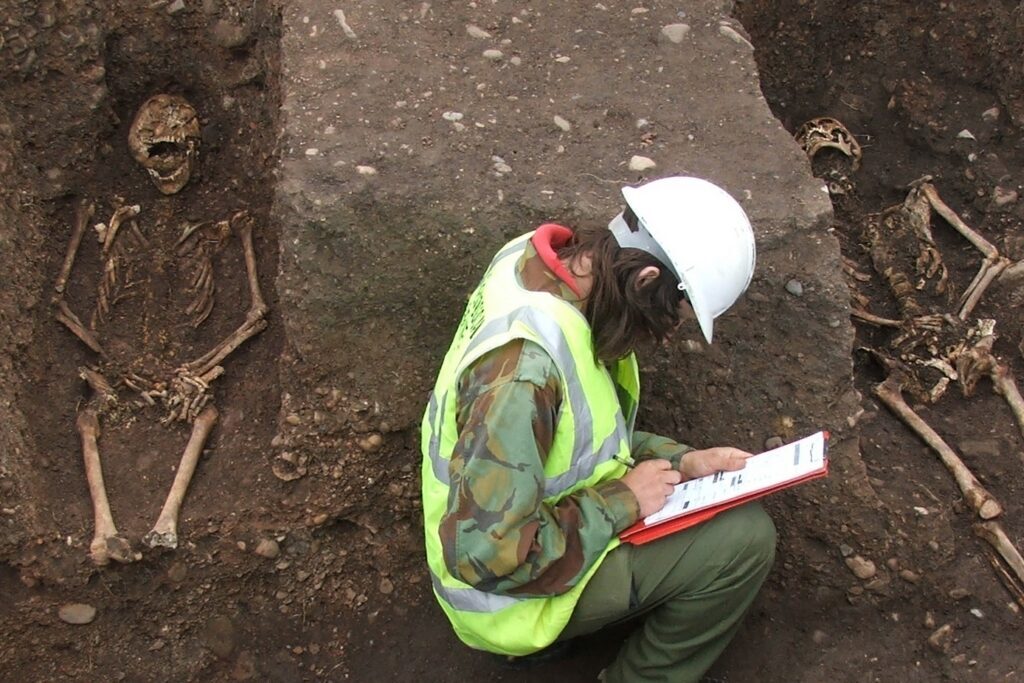
Fieldwork: Learning Outside the Classroom
What is Fieldwork? Fieldwork is undertaking study away from the classroom. It is a methodology which can be used by learners and researchers across many disciplines (Pole and Hillyard, 2016). There are several types of fieldwork: Why do Fieldwork? There are many benefits of using fieldwork for all levels of study. Different types of fieldwork…
-

Working with External Partners – Industry/Community-based Projects
What are industry/community-based projects? External partners are organisations outside the university. These may be businesses or other organisations such as charities (service-based learning). Working on industry or community-based projects with these organisations give learners the experience of real-life projects in work environment. There are several types of activity involving an external partner: Why use external…
-

Social Annotation
What is social annotation? Social annotation refers to collaborative reading and annotation. It is a collaborative learning activity, and an alternative to setting students reading activities to engage with on their own. Typically, documents are shared and each member of the group annotates the document with questions, comments and other ideas. This technique can be…
-

Problem-based Learning
Problem Based Learning (PBL) is a method of teaching in which students are encouraged to think about a particular problem or scenario that is set within a real-world framework. Key to this is that the problem is complex and has no single solution. Through a staged sequence of problems or tasks backed up with resources, students acquire relevant…
-

Group Learning
Group work can be a good way to motivate students and keep them actively engaged. However, careful planning, preparation and monitoring by the teacher is needed to ensure that it is successful. Group work can involve getting students to work in pairs, small groups, larger groups or a combination of all three. It can help raise…
-

Collaborative Learning
Collaborative learning is where two or more people work together to achieve desired learning outcomes. This is typically done in small groups of three to six people, but can be done by much larger groups depending upon the topic. Group members may work at different geographical locations and may never physically meet, but this will not affect outcomes…